Tips and walkthroughs
MetaMask login is the wallet unlock flow for checking ETH, USDC, swaps, and dapp permissions
Key takeaway: Crypto wallet access flow for opening MetaMask on browser or mobile, connecting dapps.
Metamask login is the process of opening MetaMask on a browser extension or mobile app, unlocking the encrypted wallet with a password or device security, and then choosing whether to connect, swap, buy, sell, sign, or approve a transaction. It gives access to a self-custodied wallet where the secret recovery phrase controls the accounts and the password protects the local app vault.
This page focuses on the access flow itself: what happens when the wallet opens, what Wallet Guard and transaction alerts add to the moment before a signature, and how users move between ETH, USDC, NFTs, dapps, and multiple networks without treating every pop-up as routine.
The unlock screen and the encrypted wallet vault
MetaMask stores wallet keys in an encrypted local vault on the device where the extension or mobile app is installed. The password unlocks that local vault. It is useful every day, but it does not replace the secret recovery phrase and it does not travel with the wallet to every new device. Restoring on a new browser profile or phone requires the recovery phrase, then a new local password.
That distinction matters because Metamask login is closer to unlocking a keychain than signing into a normal web account. A website password reset pattern does not apply to the wallet itself. Once the vault opens, the user sees accounts, balances, assets, networks, and pending prompts tied to the active account.
Where the browser extension changes the dapp workflow
On desktop, MetaMask runs as a browser extension for major browsers and acts as the wallet layer between websites and blockchain networks. A dapp asks to connect, the wallet shows the requesting site, and the user selects the account to expose. Connection shares a public address with the site; it does not give the site permission to move tokens by itself.
Transactions arrive as separate prompts. A swap, NFT mint, token approval, bridge action, or DeFi deposit needs a signature. The wallet displays transaction details, estimated network fees, requested permissions, and warnings before the user confirms. Metamask login puts the user at the start of that decision path, not at the end of it.
ETH and USDC swaps inside the everything wallet
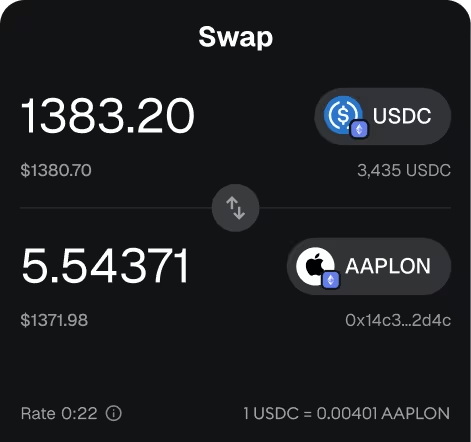
Notably, MetaMask Swaps aggregates quotes so a user can exchange tokens such as ETH and USDC without visiting a separate exchange interface first. The quote screen shows the input asset, output asset, estimated rate, network cost, and route details. On Ethereum, gas is paid in ETH; on other supported networks, the native gas token for that network pays the transaction fee.
Wallet Guard alerts and transaction warnings matter most around swaps because approvals and signatures look similar to new users. A normal USDC swap might require an approval before the trade, while a malicious approval asks for broader token spending rights than the user intended. Reading the approval amount and the spender contract before confirming reduces avoidable exposure.
Security alerts before a signature
The official MetaMask experience includes security alerts, frontrun protection, real-time threat monitoring, and Wallet Guard built into the user flow. These features add context around suspicious sites, risky approvals, and transaction patterns. They do not remove the need to read a prompt; they bring important risk signals into the same place where the signature decision happens.
A strong Metamask login routine starts before any token leaves the wallet. Use the official app or extension source, keep the recovery phrase offline, and treat unexpected signature requests as a stop sign. The recovery phrase is the master credential, so entering it into a website gives control of the wallet to whoever receives it.
Mobile access, biometrics, and dapp browsing
On mobile, the app uses the phone as the wallet environment. Users unlock it with the app password and, where enabled, device biometrics. The mobile flow keeps accounts, tokens, swaps, NFTs, and dapp browsing inside a single app experience, which is helpful when a dapp connection needs a wallet prompt without switching between several browser windows.
Typically, Metamask login on mobile still follows the same custody model as the extension. The phone unlock method is convenience around the local app vault. The recovery phrase remains the recovery method, and transaction signatures still approve actions onchain. A lost phone is manageable when the phrase is stored safely and the app vault remains protected by device security.
Networks, assets, and the account view after access
After the wallet opens, the account view organizes crypto assets across supported networks. The official MetaMask experience emphasizes major assets such as BTC, ETH, SOL, USDC, NFTs, tokenized real-world assets, prediction markets, and perps access from the broader product suite. The wallet also supports dapp connections for games, NFT drops, DeFi protocols, and developer tools such as MetaMask Connect.
The network selector deserves attention. A balance shown on Ethereum differs from a balance on an L2 or another chain. Sending USDC on the wrong network to a service that expects Ethereum mainnet creates a support problem, so the network, token contract, and receiving address should line up before any transfer is confirmed.
Hardware wallet signing through MetaMask
A hardware wallet adds a physical signing device to the MetaMask workflow. The browser extension becomes the interface for viewing balances and connecting to dapps, while the private keys stay on the hardware device. The transaction details still appear in MetaMask, then the final approval happens on the device screen.
This setup is popular for larger balances because malware on a computer has a harder path to silently signing a transaction. It also slows down rushed approvals, which is useful during active trading or NFT minting. Metamask login remains the software entry point, while the hardware wallet becomes the place where signatures are physically approved.
Common access mistakes around recovery and approvals
Most serious wallet access problems fall into a small group of repeatable mistakes. The same habits that protect a new wallet also protect an experienced wallet with many custom tokens and DeFi positions.
- Typing the recovery phrase into a website that claims to fix or sync the wallet.
- Installing a lookalike extension instead of the official MetaMask extension or app.
- Approving unlimited token spending for an unfamiliar contract.
- Ignoring the active network before sending ETH, USDC, or an NFT.
- Keeping the recovery phrase in cloud notes, email drafts, screenshots, or chat logs.
A good access habit is specific rather than complicated: open the wallet from the installed app, check the requesting site, inspect the signature or approval, and only then confirm. Metamask login gives the user a chance to pause before each onchain action becomes final.
Alternatives when the access model feels too hands-on
Some users want a wallet with more guided account recovery, while others prefer a hardware-first setup or an exchange account for simple buying and selling. Coinbase Wallet, Trust Wallet, Rabby, Ledger Live, and Phantom all solve parts of the same wallet problem with different tradeoffs around chains, signing, recovery, and dapp support.
In most cases, MetaMask remains a common choice because its browser extension, mobile app, swaps, security alerts, Snaps ecosystem, and dapp compatibility cover a large share of onchain activity. The right access model depends on how the wallet is used: small mobile transfers, frequent DeFi approvals, NFT trading, long-term ETH storage, or a mix of networks and assets.

When a clean login routine matters most
The access flow deserves the most attention before high-value swaps, first-time dapp connections, token approvals, and recovery events on a new device. Those moments combine unfamiliar prompts with real asset control. Metamask login is routine when opening the wallet, but the prompts that follow decide which contract receives permission and which transaction reaches the network.
Once the wallet is open, slow confirmation beats fast clicking. Check the site name, account, network, asset, gas token, approval scope, and transaction summary. That habit makes Wallet Guard alerts, hardware signing, and MetaMask security features easier to use because each warning appears inside a process the user already understands.
Key questions about Metamask login
- Does connecting a dapp after Metamask login let it spend my tokens?
- A basic dapp connection shares the selected public wallet address with the site, which lets the site show balances and prepare actions. Token spending requires a separate approval or transaction signature. The important prompt is the one that asks to approve a token allowance, sign data, mint, swap, bridge, or transfer an asset.
- Which browser extension should I install for MetaMask access?
- Install the official MetaMask extension from the official download path for the browser you use. The legitimate Chrome extension has long used the extension ID associated with MetaMask, but the safer habit is starting from the official MetaMask site or the browser's verified listing rather than following ads, social posts, or direct messages.
- Fees on Metamask login swaps: where do they show up?
- Swap costs appear in the quote and confirmation flow before the user signs. The screen separates the trade details from the network fee paid to the blockchain. On Ethereum, that gas fee is paid in ETH. The final received amount changes with price movement, route liquidity, and gas conditions shown during the quote window.
- Can I pair a Ledger or Trezor with MetaMask for safer signing?
- Yes. MetaMask supports hardware wallet connections so the extension works as the dapp interface while the hardware device holds the private keys and approves signatures. The user still reviews prompts in MetaMask, but final signing happens on the device. This setup is useful for active DeFi or NFT use with a stronger key-storage model.
- Recovering access after reinstalling the app: what should be ready first?
- Have the secret recovery phrase available offline before reinstalling, changing phones, clearing browser data, or moving to a new computer. After reinstalling MetaMask, import the wallet with the phrase and create a new local password. Custom tokens and networks might need to be re-added, while the onchain assets remain tied to the wallet addresses.