Tips and walkthroughs
MetaMask login is a wallet approval flow for opening dapp sessions with MetaMask Connect
Key takeaway: Wallet access flow for connecting MetaMask to Ethereum and other dapps, using MetaMask Connect to approve account sessions.
Metamask login is a wallet connection flow that lets a website or dapp request access to a MetaMask account, ask for a signature, and start a session tied to an onchain address. The user approves the connection inside the MetaMask wallet, then the dapp recognizes that public address for actions such as viewing balances, swapping tokens, minting NFTs, using DeFi apps, or signing transaction requests.
What a MetaMask connection actually unlocks
A connection gives the dapp permission to see selected public wallet addresses and use them as the account identity for that site. That public address is the familiar 0x-style Ethereum account, and the same wallet also supports other major networks through MetaMask's network controls. Once connected, the site displays balances, token positions, NFT ownership, open orders, or protocol-specific account data that belongs to the chosen address.
The important distinction is control. The private keys stay inside the wallet environment, while the dapp sends requests that the user reviews. A swap, token approval, NFT mint, bridge transfer, or staking action still appears as a separate prompt before it reaches the chain. Metamask login therefore behaves less like typing a site password and more like presenting a cryptographic account card, then signing specific actions only when needed.
How MetaMask Connect turns an address into a session
MetaMask Connect is the developer-facing path for integrating MetaMask into dapps. On the user side, the flow starts with a Connect Wallet button. The browser extension, mobile wallet, or embedded connection surface opens a prompt showing which account the site wants to use. After approval, the dapp receives the public address and network context through standard wallet interfaces.
Many apps add a second step: a message signature. The message proves that the user controls the wallet address at that moment, and the dapp uses the signed message to create an account session. This is common for dashboards, NFT marketplaces, onchain games, DeFi portfolios, prediction markets, and apps that need user profiles without storing a conventional password. Metamask login becomes the bridge between a local wallet and a web session.
Where the flow appears in real crypto use
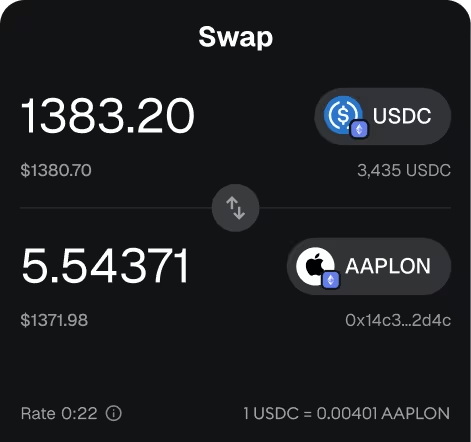
The same connection pattern shows up across Ethereum, layer 2 networks, and other ecosystems that MetaMask supports. A user buying ETH, swapping USDC, claiming a reward, browsing NFTs, managing positions, or viewing a tokenized asset dashboard starts by connecting the wallet. After that, each meaningful blockchain action moves through MetaMask as a separate request with transaction details, network fee information, and the account that pays for gas.
It also appears in developer products. Teams building dapps use MetaMask Connect to add wallet access, while infrastructure such as Web3 Services, dashboards for API keys and endpoints, and smart account tooling support more advanced app experiences. A consumer sees a simple approval screen; behind that screen, the site is coordinating addresses, supported networks, signature formats, and transaction requests.
Account selection, networks, and gas tokens
The wallet account matters because each address has its own assets, permissions, history, and transaction queue. If a dapp supports Ethereum mainnet, Arbitrum, Optimism, Base, Polygon, BNB Smart Chain, or another network, MetaMask must be set to a compatible chain before a transaction makes sense. Network switching requests show up inside the wallet so the user sees which chain the dapp wants to use.
Gas is paid in the native asset for the active network. ETH pays gas on Ethereum and many Ethereum layer 2 networks, while POL is used on Polygon. Token balances such as USDC, USDT, WBTC, NFTs, or governance tokens do not replace the native gas asset for normal transactions. A smooth Metamask login experience still depends on choosing the right account and having the right network fee token available.
Permissions that deserve attention before approval
Connection approval is low impact compared with transaction signing, yet permissions still deserve a close read. The site name, requested accounts, active network, and displayed action should match what the user intended to do. A legitimate dapp connection asks for account access first, then presents separate wallet prompts for swaps, token approvals, transfers, contract interactions, or message signatures.
- Check that the requested account is the wallet address meant for that app.
- Read message signatures before approving a session or account challenge.
- Review token approvals, especially unlimited spending permissions.
- Confirm the active chain before swaps, bridges, and NFT mints.
- Disconnect old sessions inside MetaMask when an app is no longer used.
Notably, MetaMask includes security alerts, threat monitoring, Wallet Guard features, and transaction protection signals, but the approval screen remains the point where the user decides what leaves the wallet. A single bad token approval creates more risk than the initial connection, so the transaction prompt deserves more attention than the sign-in prompt.
Getting started from extension or mobile wallet
New users start by installing the MetaMask browser extension or mobile app, creating or importing a wallet, and storing the secret recovery phrase in a private place. The recovery phrase represents the wallet's root access, while the app password or device unlock protects local use. After setup, the user adds funds by buying crypto inside MetaMask, receiving assets from another wallet, or transferring from an exchange.
When a dapp asks to connect, the user selects MetaMask, reviews the prompt, chooses the account, and approves the session. The site then displays the connected address or shortened address label. If the dapp needs a signature, MetaMask opens a message request. If it needs an onchain action, the wallet displays network fees and transaction details before submission. Metamask login fits naturally into this sequence because the wallet remains the place where approvals happen.
Benefits for dapps and wallet owners
Wallet-based access reduces account friction for people who already manage crypto assets. The same address works across trading tools, NFT marketplaces, games, DeFi dashboards, governance portals, tokenized stock interfaces, prediction markets, and developer test apps. A user keeps one wallet identity while each site reads only the account data and signatures required for that session.
For builders, MetaMask's reach gives a dapp a familiar connection path across desktop and mobile users. MetaMask is widely recognized as an Ethereum wallet, and its product family now spans swaps, buying and selling crypto, earning features, NFTs, perps, real-world asset interfaces, developer infrastructure, embedded wallets, and smart account tooling. Metamask login connects that broad wallet base to individual applications without forcing every app to design its own key-management system.

Common errors when a session will not connect
Most connection failures come from a mismatched network, a locked wallet, an outdated browser extension, blocked pop-ups, or a site waiting for the wrong account. Unlocking MetaMask, refreshing the page, selecting the intended account, and switching to the network required by the dapp resolves many stalled sessions. If the wrong address appears, disconnect the site from MetaMask and reconnect with the correct account selected.
Some apps also require a fresh message signature after a session expires. That signature renews the site session without moving funds. When a transaction fails after a successful Metamask login, the issue sits in the transaction layer: insufficient gas, contract limits, token allowance, slippage settings, nonce conflicts, or a paused dapp function. Separating connection problems from transaction problems makes troubleshooting faster.
Wallet login compared with exchange accounts and passkeys
Exchange accounts use a hosted profile, email, identity checks, and platform custody rules. Passkeys bind a site account to a device credential. Wallet login uses a blockchain address and signature, which makes it portable across many independent dapps. The same address carries token balances, NFT ownership, protocol positions, and onchain history wherever compatible apps read it.
That portability is the reason Metamask login is common in Web3 apps. A dapp does not need to recreate a financial identity from scratch; it asks the wallet for the address and then asks the chain for the state of that address. Users gain a familiar approval flow, while apps gain a direct path to Ethereum-style accounts, signatures, and transaction requests.
Metamask login questions worth asking
- Does connecting MetaMask expose my secret recovery phrase?
- Connecting MetaMask to a dapp exposes the selected public wallet address, not the secret recovery phrase. The phrase remains the root credential for the wallet and should stay private. A dapp connection lets the site read address-based data and request signatures or transactions. Funds move only after a separate transaction approval inside the wallet.
- Why does a dapp ask me to sign a message after connecting?
- A signed message proves control of the connected wallet address and lets the dapp create a site session. This step is common for dashboards, NFT markets, games, and DeFi interfaces that need to remember a user without a password. Read the message before signing, especially if it includes permissions, legal terms, or unusual instructions.
- Which network should I choose before using a MetaMask session?
- Choose the network required by the dapp and the asset you plan to use. Ethereum mainnet uses ETH for gas, many layer 2 networks also use ETH, and Polygon uses POL. If the wallet is on the wrong network, the dapp displays missing balances, failed transaction prompts, or a request to switch chains.
- Recovering access if the MetaMask app is removed from my device
- Access is recovered by reinstalling MetaMask and importing the wallet with the secret recovery phrase. The connected dapp sessions themselves are secondary; the wallet address and onchain assets are restored from the phrase. After recovery, reconnect to each dapp with the restored account and review any permissions that remain active onchain.
- Is a MetaMask connection enough to approve token spending?
- A connection alone does not approve token spending. Token spending requires a separate approval transaction that names the token contract, the spender, and the allowance amount. That approval is more powerful than a basic session because it lets a smart contract move a specific token up to the approved limit.